Perisian yang menjalankan operasi anda dengan lancar, menghubungkan anda dengan lebih rapat dengan ibu bapa dan memberi anda lebih banyak masa bersama anak-anak.
Urus seluruh sekolah anda dalam satu sistem dengan lancar
Ramal, urus, rekod dan dan kehadiran
Untuk ibu bapa mengikuti hari-hari anak anda, di mana-mana, pada bila-bila masa
Rekod dan nilai prestasi kakitangan anda pada satu platform
Memilih perisian yang betul tidak mudah. Tetapi LittleLives bukan hanya perisian, kami meletakkan keperluan unik anda di hadapan
Terdapat banyak pilihan perisian alternatif yang tersedia, tetapi LittleLives lebih menyerlah
Daripada sekolah tunggal kepada sekolah rangkaian nasional. Lihat bagaimana LittleLives sudah membantu sekolah merangkumi semua saiz
LittleLives membantu sekolah yang lebih baik, pengajaran yang lebih baik, ibu bapa yang lebih baik, yang paling penting pelajar yang lebih baik
Ia bukan sekadar tentang pembelajaran anak-anak. Dapatkan sumber kami untuk diri sendiri, kakitangan dan ibu bapa - semuanya secara percuma.
Berkerjasama dengan pakar industri, kami menyampaikan kandungan yang dikurasi, pandangan berharga untuk pendidik dan ibu bapa, memberi inspirasi untuk pertumbuhan dan hubungan.
Pusat Pembelajaran Utama: Kursus Latihan, Podcast, Ebook, dan Banyak Lagi! Temui dunia pengetahuan dengan video, podcast, ebook, dan kursus latihan yang dikurasi oleh kami.
ECDA bekerjasama dengan sekolah yang mengambil bahagian untuk mereka bentuk projek khidmat masyarakat
Berhubung Secara Global Melalui Program, Persidangan, dan Komuniti! Berinteraksi dengan pelbagai komuniti, program tempatan, dan persidangan global, menggalakkan hubungan dan membina hubungan yang berkekalan di seluruh dunia.



For many principals, this cycle has become uncomfortably familiar. A teacher leaves, the team adjusts, responsibilities get redistributed, everyone gets a little more work added to their day until a replacement is hired. For a brief moment, things feel stable again - until the next resignation happens.
Across the sector in SEA, annual staff turnover in preschools and enrichment centres is often estimated at 20–30%. While it may sound like just another industry statistic, in practice it translates into constant disruption, repeated hiring cycles, and a team that rarely has the chance to fully settle.
The impact goes far beyond filling a vacant role. Every departure resets momentum. Relationships need to be rebuilt, routines need to be re-established, and new staff require time and attention to get up to speed. In the meantime, existing team members take on additional responsibilities, often without any real reduction in their existing workload.
From the outside, everything continues to function. Classes run, parents are updated, operations move forward. But internally, the strain builds quietly.
Most principals respond in the only way that seems logical. They focus on hiring better candidates, strengthening onboarding, and providing more support to their teams. These are all necessary steps, but over time, many leaders begin to notice a pattern.
Even strong, capable teachers - people who care deeply about their work - start to feel stretched. Not because of the children or the core teaching responsibilities, but because of everything surrounding the role.
A significant portion of the day is taken up by administrative work. Attendance needs to be recorded manually. At some schools, this can happen 3 or more times daily. Attendance is recorded once at the door on paper, before being manually entered into a data entry sheet on Microsoft Excel or Google Sheet, and this is then collated to be shared with administrators. Parent communication is spread across different channels. Forms, updates, and follow-ups require constant attention. None of these tasks are particularly complex, but they are repetitive and persistent.
In many schools, this adds up to 10-15 hours a week per staff member spent on operational tasks that could be streamlined or automated. That’s about 15%-35% of their total working time. Over time, that is a meaningful portion of their capacity being directed away from teaching and student engagement.
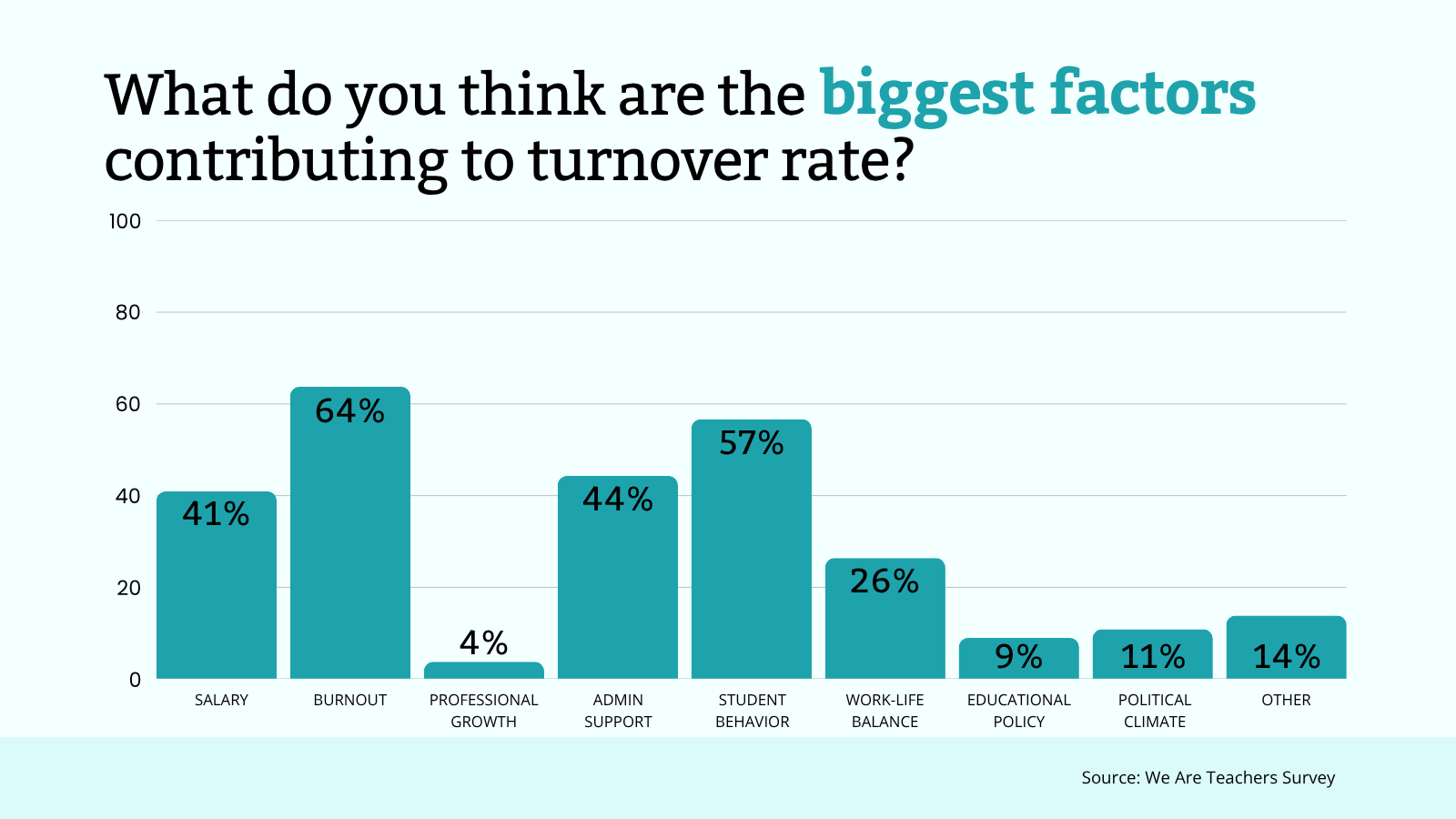
This is where burnout begins to take shape. It rarely comes from a single overwhelming moment. Instead, it builds gradually through accumulation. The day runs slightly longer than expected. Tasks carry over into the next day. There is a constant need to check, follow up, and make sure nothing has been missed. Every message feels urgent, and the list of items to do feels like they will never end. Responsible teachers and administrators start taking a bit of time every weekend to complete their tasks - and before they know it, it’s Sunday evening.
Eventually, the role starts to feel heavier than it should.
When that happens, turnover is no longer just a staffing issue. It becomes a reflection of how the system around the team is designed.
If daily operations depend heavily on manual effort, then the pressure inevitably shifts to the people running them. Over time, even the most committed staff will start to feel that weight.
Some schools are beginning to address this differently. Instead of focusing only on people and processes, they are rethinking the underlying systems that shape the day-to-day experience.
By automating routine tasks such as attendance tracking, billing, and administrative workflows, and by consolidating communication into a single platform, they reduce the amount of fragmented work that staff need to manage. These are not drastic changes to how schools operate, but they have a noticeable impact on how the work feels.
When fewer tasks require manual follow-up, and when information is easier to access and manage, the day becomes more predictable. Teachers are able to focus more on teaching, and less on coordination. Admin teams spend less time chasing tasks and more time maintaining smooth operations.
The shift is not dramatic, but it is meaningful. Staff are less likely to stay back to complete administrative work. There is less duplication, fewer errors, and fewer interruptions throughout the day. Over time, this creates a working environment that feels more manageable and more sustainable.
Retention, in this context, is not driven by large initiatives alone. It is shaped by the everyday experience of the team. When that experience improves - even in small ways - it has a direct impact on whether people choose to stay.
For principals dealing with ongoing turnover, it may be worth looking beyond hiring strategies and support structures, and taking a closer look at the systems that underpin daily operations.
Because in many cases, reducing turnover is not just about finding the right people. It is about creating an environment where the work itself feels sustainable.
If your team is consistently stretched by administrative work, it may be worth exploring how much of that workload can be reduced through better systems and automation.
Even small improvements in day-to-day operations can have a meaningful impact on both staff experience and long-term retention.

👉 See how LittleLives helps schools streamline operations




 Singapore
 Malaysia
 Vietnam
 Indonesia
